Buying a Tortoise in the UK: The Essential Beginner's Guide
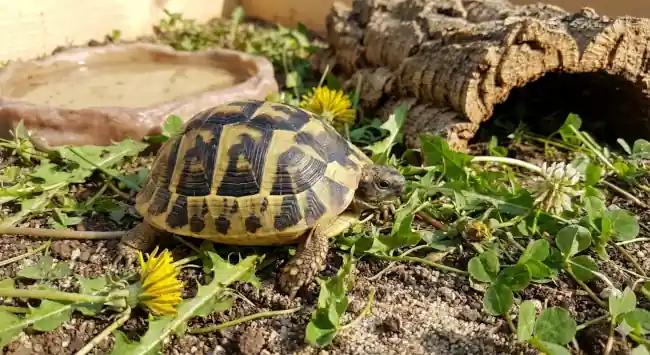
So, you want to buy a tortoise.
It’s easy to see why. There is something uniquely prehistoric and charming about these shelled creatures. They are fascinating to watch, relatively quiet, and for the right person, they make incredibly rewarding companions.
But notice I said "for the right person."
Buying a tortoise is not like buying a hamster or a goldfish. It is more akin to adding a new family member to your will. It is a commitment that could easily outlive you.
If you are looking for a quick impulse buy, stop reading now. But if you are serious about offering a forever home to one of these amazing animals, this guide is for you.
At Tortoises For Sale, our mission is to stop the illegal and unethical trade of wild-caught reptiles. We are here to ensure that every tortoise bought in the UK is captive-bred, healthy, and legal.
Here is everything you need to know before you take the plunge.
1. The Reality Check: Are You Ready?
Before you even look at pictures of cute hatchlings, you need to ask yourself three hard questions.
The Time Commitment
A healthy Hermann’’s or Spur-thighed tortoise can live for over 70 years. Many owners end up having to leave their tortoises to their children in their wills. Are you ready for a pet that will be with you for the rest of your life?
The Financial Commitment
The cost of the tortoise is usually the cheapest part. A proper setup—including a tortoise table (never a glass tank), high-quality UV lighting that needs replacing every 6-12 months, varied food, calcium supplements, and specialist vet bills—adds up quickly. Do not budget just for the animal; budget for its environment.
The Space Commitment
That tiny hatchling the size of a 50p coin will grow. A common Horsfield’’s tortoise needs a minimum area of roughly 4ft x 2ft as an adult. A Sulcata tortoise (often sold cheaply as babies) will grow to the size of a large wheelbarrow and requires a heated shed and a reinforced garden. Do you have the space, both indoors and outdoors?
2. The Golden Rule: UK Captive-Bred ONLY
If you take only one thing away from this article, make it this: Only ever buy a tortoise that has been captive-bred in the UK.
The Problem with Imports
Many pet shops and unvetted online sellers offer "farmed" tortoises imported from Eastern Europe or Africa. While technically "captive-bred" in their home country, they are often reared in massive numbers, packed into crates, and shipped across continents.
These animals frequently arrive stressed, dehydrated, and carrying heavy parasite loads. Many die within the first year of ownership—a heartbreaking and expensive experience for a new keeper.
The UK Breeder Advantage
A genuine UK private breeder raises their hatchlings with care. They are acclimatised to our environment, they are usually parasite-free, and you can often meet the parents. You are buying a healthy animal, not a stressed commodity.
3. Understanding the Law (CITES & Article 10)
This is the boring bit, but if you are in the UK, it is arguably the most important bit. Many popular tortoise species are protected under international law to prevent them from being poached from the wild. In the UK, this is governed by CITES regulations.
What You Need to Know:
- Annex A Species: This includes the most common beginner tortoises like Hermann’’s, Spur-thighed (Greek), and Marginated tortoises.
- The Law: It is illegal to sell an Annex A tortoise without a government-issued certificate, commonly known as an Article 10 Certificate.
- Your Protection: This certificate is the tortoise’’s "passport." It proves it was legally bred and not snatched from the wild.
If a seller makes excuses about paperwork—"It’’s in the post," "You don’’t really need it," or "I lost it"—walk away immediately. It is likely an illegal sale.
Note: Some species, like Horsfield’’s (Russian) or Leopard tortoises, are Annex B and do not require individual certificates, but you should still demand proof of legal captive breeding.
4. Choosing Your Species
One size definitely does not fit all.
- The Best Beginners: The Mediterranean species—Hermann’’s and Horsfield’’s—are generally considered the best suited for the UK climate. They stay a manageable size and can spend summers outside.
- The Giants: Please avoid Sulcata (African Spurred) or Leopard tortoises unless you have immense space, a heated outdoor room, and a very large budget. They are incredibly destructive and expensive to house properly as adults.
5. Where to Buy Safely
Where you buy determines the health of your future pet.
AVOID: General Classified Sites
Platforms like Gumtree or generic marketplaces often have scammers, illegal imports without paperwork, and sick animals. You generally have zero protection here.
CAUTION: General Pet Shops
While some specialized reptile shops are excellent, many general pet stores source their tortoises from large-scale import wholesalers. Always ask where their stock originated.
THE SAFEST BET: Specialist Reptile Platforms & Private Breeders
This is why we built Tortoises For Sale. We provide a dedicated space for genuine UK breeders to connect with serious buyers. We emphasise CITES compliance and healthy rearing practices.
6. The Buyer’’s Checklist: Red Flags
When you contact a seller or visit a breeder, keep this checklist in mind.
- ✅ Setup First: A good breeder will ask to see photos of your setup before they let you take the tortoise.
- ✅ Age matters: Avoid buying fresh hatchlings under 8-10 weeks old. Ensure they are "well-started"—eating aggressively and growing—before selling.
- 🚩 "Ready to go now": Be wary of sellers pushing for an immediate sale or offering discounts for quick cash.
- 🚩 Wrong Diet: If you see a Mediterranean tortoise being fed fruit, cat food, or iceberg lettuce, walk away. They should be on a weed and flower-based diet.
- 🚩 Glass Tanks: If the seller is keeping tortoises in humid glass aquariums (vivariums), they do not understand modern tortoise husbandry.
Final Thoughts
Buying a tortoise is a journey. It requires research, patience, and preparation. Don’’t rush it. Build your enclosure first. Get your temperatures right. Read the care guides until you can recite them backwards.
When you are ready, do it right. Buy captive-bred, buy legal, and buy healthy.
Are you ready to find your new companion?
Browse verified listings from UK breeders now.