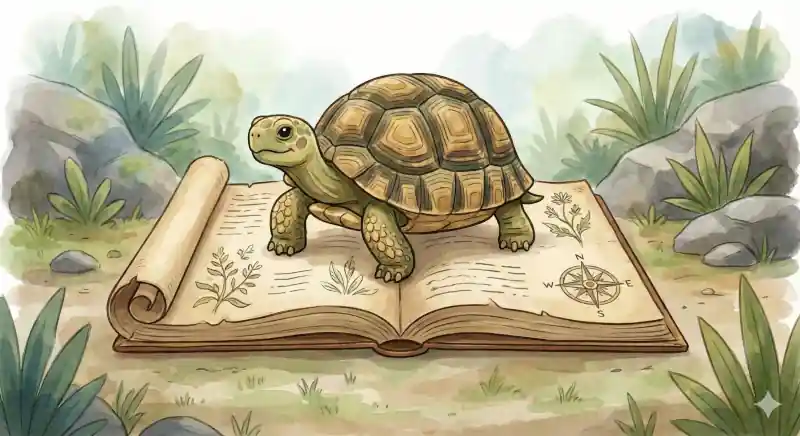
The Hermann's Tortoise (Testudo hermanni) is widely regarded as the most suitable species for the UK climate. Hardy, active, and strictly herbivorous, they thrive in British gardens during the summer months.
1. Housing: The "UK Garden" Setup
The most common mistake new owners make is keeping adults in glass vivariums. Hermann's tortoises need ventilation and thermal gradients that glass tanks cannot provide.
- Summer (May–Sept): Adults should be outdoors. A south-facing garden enclosure is essential. Because UK summers are unpredictable, you must provide a "hot house"—a greenhouse or cold frame equipped with a heat lamp set to 30°C. This allows the tortoise to warm up even on rainy days.
- Winter/Hatchlings: Use an indoor "Tortoise Table" (open-topped wooden box). Bedding should be a mix of sterilised topsoil and playsand (50/50 mix) at least 3 inches deep to allow digging.
2. Heating & Lighting
Without proper UV, tortoises develop Metabolic Bone Disease (soft shell). Window sunlight is not enough as glass blocks UV rays.
- Basking Spot: 32°C (90°F) directly under the lamp.
- Cool End: 20°C (68°F) to allow thermoregulation.
- UVB: Use a high-quality T5 UVB tube (10% or 12%) mounted roughly 30-40cm from the shell. Replace bulbs every 9-12 months.
3. Diet: "Weeds, Not Supermarket Salad"
A diet high in sugar (fruit) or protein causes kidney failure. Stick to a high-fibre weed diet.
- Staples: Dandelion, Plantain, Clover, Sow Thistle, Hawkbit, Honeysuckle.
- Winter Feed: If weeds are scarce, use "Florette Crispy Mix" (Lambs Lettuce/Frisee) or dried wildflower mixes like Pre-Alpin Testudo.
- Supplements: Dust food daily with pure Calcium Carbonate (Limestone Flour) and use a vitamin supplement like Nutrobal 2-3 times a week.
Resource: Check safe plants at The Tortoise Table database.
4. Hibernation
In the wild, they hibernate to survive the cold. In the UK, hibernation is recommended for healthy tortoises over 3 years old. The Fridge Method (keeping them at a constant 5°C) is safer than using a box in the garage, as UK winters fluctuate too much.